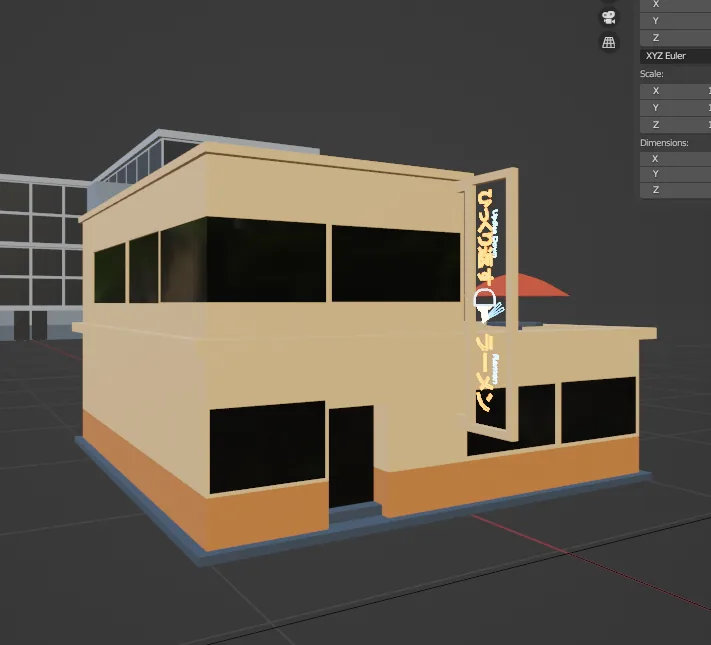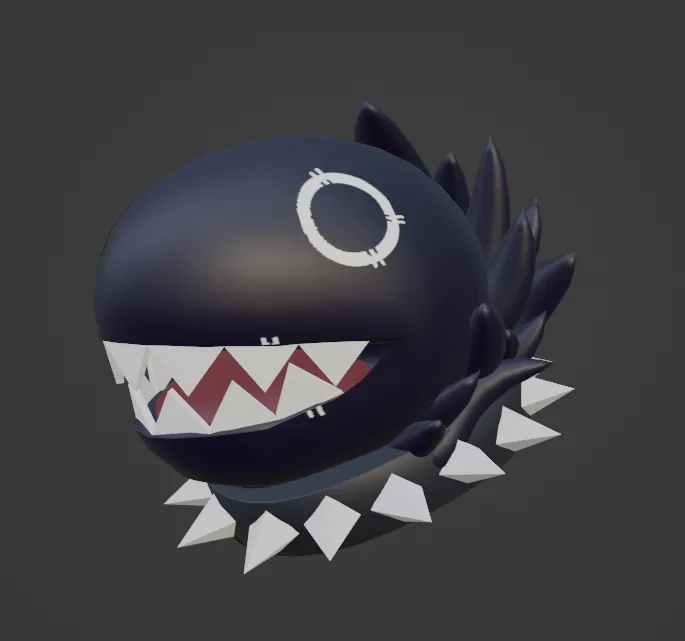
I started learning 3D modeling and Blender when I got into the game VRChat, which lets you upload your own avatars (or characters). I started out by making props — swords, guns, backpacks, clothes — and finally full avatars.
After honing my skills on personal projects, I started making some for my friends, and then finally opened up commissions. Ever since, I have been accepting odd jobs for 3D modeling on the side of any job I have been doing. I learn something new with each job; it's a well of information and new experience.
01Block-out & sculpting
Because of how detailed 3D modeling needs to be in some instances, there's discipline to be gained from every piece, and I find honing it unbelievably satisfying. First is block-out, done to get the rough shape of an object or character. It's one of my favorites: very rough and quick, where you get the most progress in the least amount of time and really get things looking like the thing in your head.
Then comes sculpting. When working on something more organic, this is the next step for me. I don't enjoy it as much as most — the brushes act a bit odd to me — though it's a trained skill for sure. It's essentially working with digital clay, and clay often won't move quite how you want it to.
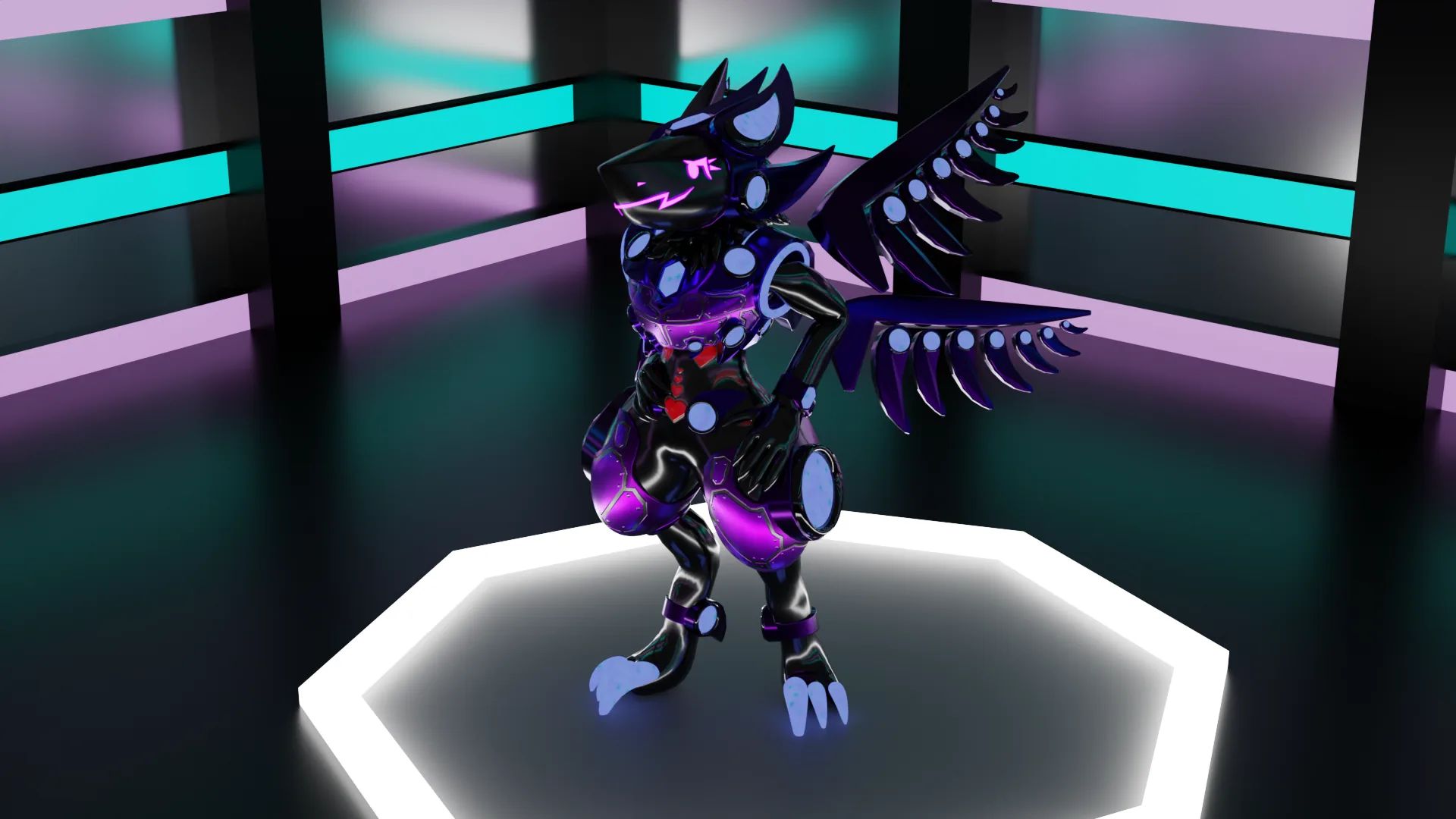
02Retopology
After sculpting comes retopology. This is probably my favorite part of the process: getting all the geometry to line up, making sure the quads flow for perfect normals and detail clustering.
All of this builds up into the perfect puzzle for me to solve. Enough open-endedness to have creativity, but clear enough objectives to have that “step back and admire” feeling when it's done.
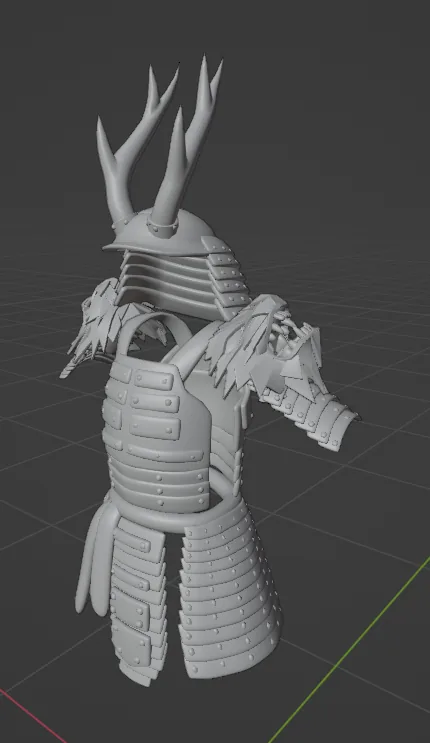
03Rigging, UVs & normals
Rigging, weight painting, seams, normal mapping, and blendshapes all feel like skills that fit under one category. They take a very logical approach to something artistic. To sculpt a model is art, but to make it move and look good while doing it feels more like a logic problem.
Rigging is the application of “movement points,” or bones, to a model — making each vertex move with a bone at a certain weight. Then you mark seams to cut the model apart and make a flat picture of a 3D object, known as a UV map. Finally, normal mapping lets you take a highly detailed sculpt and bake its lighting reactions into a lighter model.
This is where 3D modeling loses many of the people who had enough interest to learn sculpting. It's a huge learning curve, though like many things it's simple once you know your way around and how it all links together.
04Texturing
Finally, texturing. This remains the biggest hurdle for me with every model. Every other part of the process comes easily at this point, though I get better with every model. My brain struggles to paint colors onto a model for some reason — but once I pick up the brush and start, I lose myself in it.
I like to paint patterns, geometric shapes and interesting designs, whether they flow or are jagged and rough. I'm by no means good at realistic textures, but it's a skill I've been honing since I started.