3D Modeling
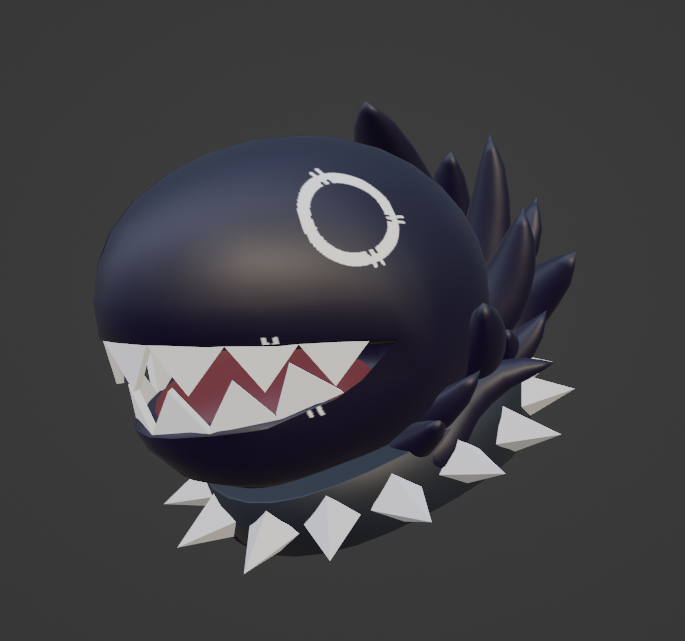
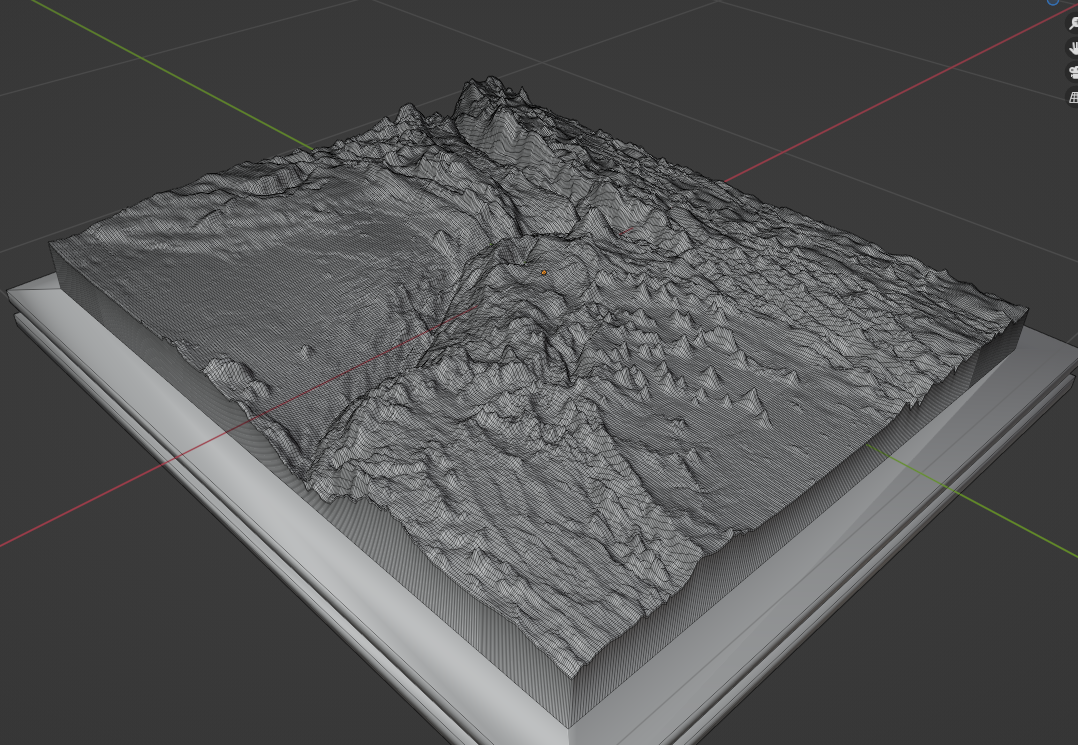
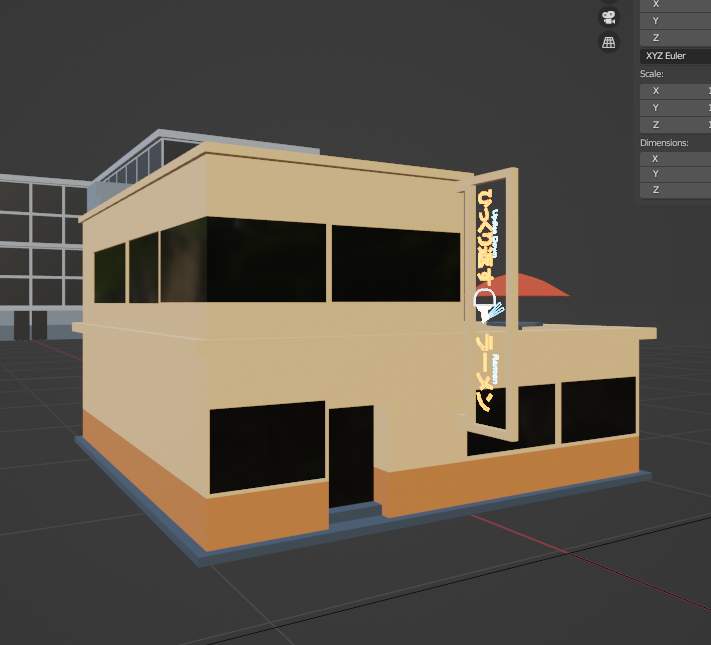
3D modeling has been a long-running passion; for a good five years now, I have been enamored by taking something from my imagination and putting it into VR or any game. Every aspect of it interests me, from animation to UV mapping. I enjoy it all (yes, even weight painting).
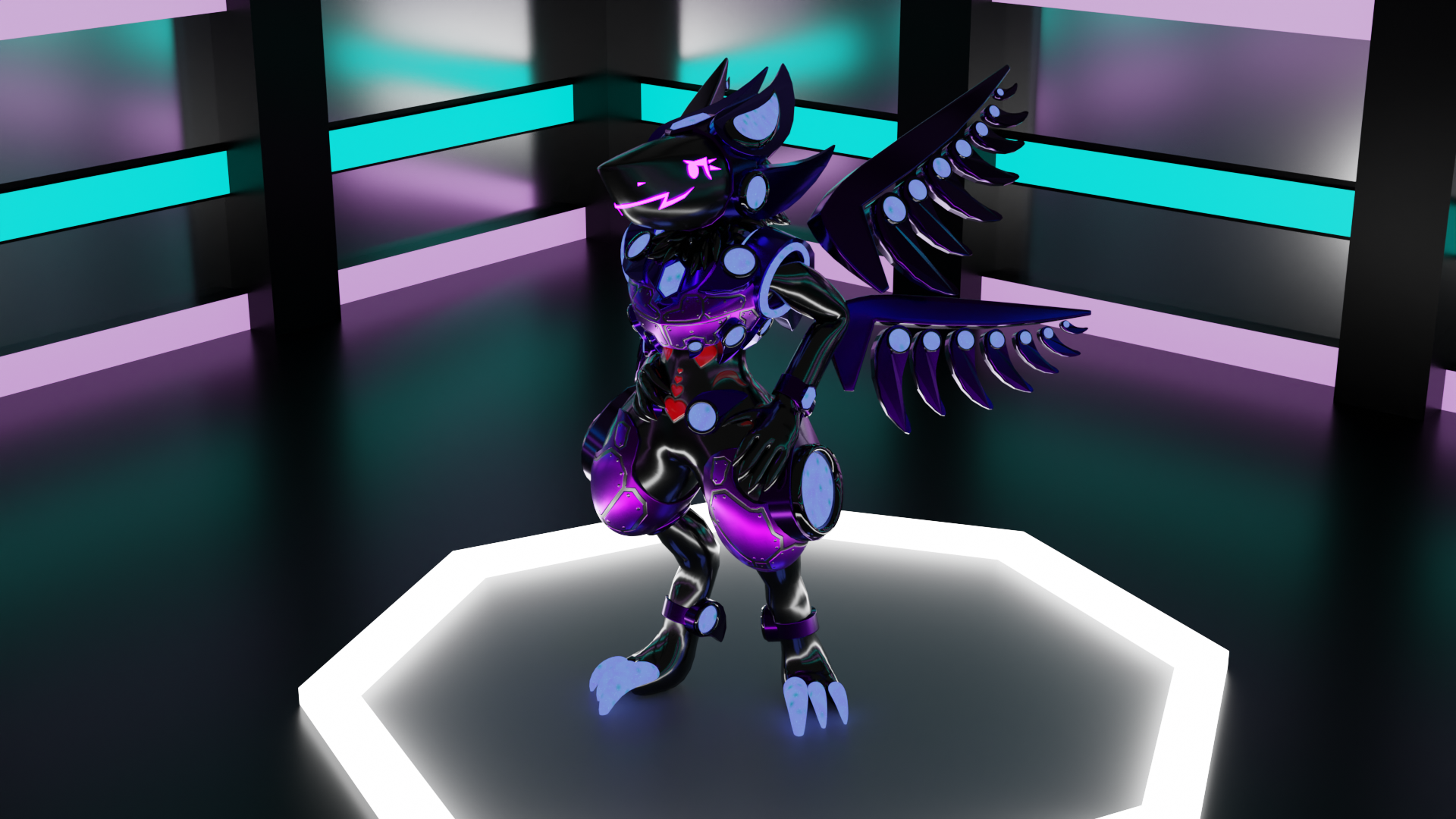
I started learning 3D modeling and Blender when I got into the game VRChat; the game lets you upload your own avatars (or characters) for the game. I started out by making props: swords, guns, backpacks, clothes, and finally full avatars. After honing my skills on personal projects, I started making some for my friends, and then finally opening up commissions. Ever since, I have been accepting odd jobs for 3D modeling on the side of any job I have been doing. I learn something new with each job, and it seems like a well of information and new experience.
 Because of how detailed 3D modeling needs to be in some instances, there's discipline to be gained from every piece that I found to be unbelievably satisfying to hone.
First is block-out, done to get out the rough shape of an object or character. This part is one of my favorites, as it's very rough and quick.
It's where you get the most progress done in the least amount of time and really get things looking like the thing in your head.
Because of how detailed 3D modeling needs to be in some instances, there's discipline to be gained from every piece that I found to be unbelievably satisfying to hone.
First is block-out, done to get out the rough shape of an object or character. This part is one of my favorites, as it's very rough and quick.
It's where you get the most progress done in the least amount of time and really get things looking like the thing in your head.
Then comes sculpting. When working on something more organic, this is the next step for me. I don't often enjoy this step as much as most, as the brushes act a bit odd to me.
Though it is a trained skill, for sure. This is essentially working with digital clay, and often with clay, it will not move quite how you want it to. It is still fun to do, though just not a favorite.
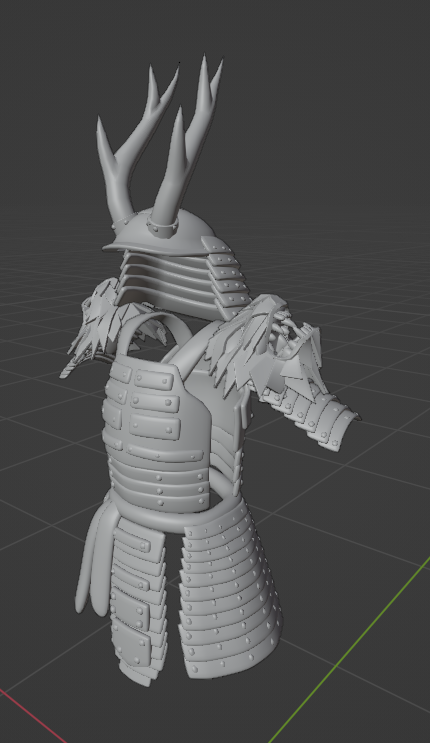 After sculpting comes retopology. This is probably my favorite part of the process: getting all the geometry to line up, making sure the quads flow for perfect normals and detail clustering.
All of this builds up into the perfect puzzle for me to solve. Enough open-endedness to have creativity, but clear enough objectives to have that “step back and admire” feeling when it's done.
I'm going to wrap some in one section here: rigging, weight painting, seams, normal mapping, and blendshapes. These all feel like skills that fit under one category.
They all take a very logical approach to something artistic. To sculpt a model is art, but to make it move and look good while doing it feels more like a logic problem.
Rigging is the application of “movement points,” or bones, to a model—making each little square, each point (or vertex), move with said bone with a certain weight. Then marking seams onto the model to cut it apart and make a flat picture of a 3D object, also known as a UV map. And finally being able to take your highly detailed model that is sculpted and bake lighting reactions into it using normal mapping.
This is where 3D modeling loses many of the people who had enough interest to learn sculpting. All of these things are a huge learning curve, though with many things it's simple once you know your way around and how it all links together.
After sculpting comes retopology. This is probably my favorite part of the process: getting all the geometry to line up, making sure the quads flow for perfect normals and detail clustering.
All of this builds up into the perfect puzzle for me to solve. Enough open-endedness to have creativity, but clear enough objectives to have that “step back and admire” feeling when it's done.
I'm going to wrap some in one section here: rigging, weight painting, seams, normal mapping, and blendshapes. These all feel like skills that fit under one category.
They all take a very logical approach to something artistic. To sculpt a model is art, but to make it move and look good while doing it feels more like a logic problem.
Rigging is the application of “movement points,” or bones, to a model—making each little square, each point (or vertex), move with said bone with a certain weight. Then marking seams onto the model to cut it apart and make a flat picture of a 3D object, also known as a UV map. And finally being able to take your highly detailed model that is sculpted and bake lighting reactions into it using normal mapping.
This is where 3D modeling loses many of the people who had enough interest to learn sculpting. All of these things are a huge learning curve, though with many things it's simple once you know your way around and how it all links together.
Finally, texturing. This remains the biggest hurdle for me with every model. Every other part of the process is easy to me at this point, though I get better with every model. But texturing is, and always has been, difficult to pick up and do. My brain struggles to paint colors onto a model for some reason, though after I pick up the brush and start, I lose myself in it. I often like to paint various patterns, geometric things, and interesting designs, whether they flow or are jagged and rough. I am by no means good at doing realistic textures, but it is a skill I have been trying to hone since I have started 3D modeling.